
When the monsoon arrives, a reliable drainage network becomes essential for protecting homes, commercial buildings and infrastructure from waterlogging and structural damage. Choosing between conventional drainage systems and a modern SWR drainage system can significantly influence long-term performance. While traditional systems have served buildings for decades, PVC SWR pipes offer better durability, easier installation and dependable drainage during heavy rainfall. Understanding the differences helps you select the right drainage pipes for monsoon conditions.
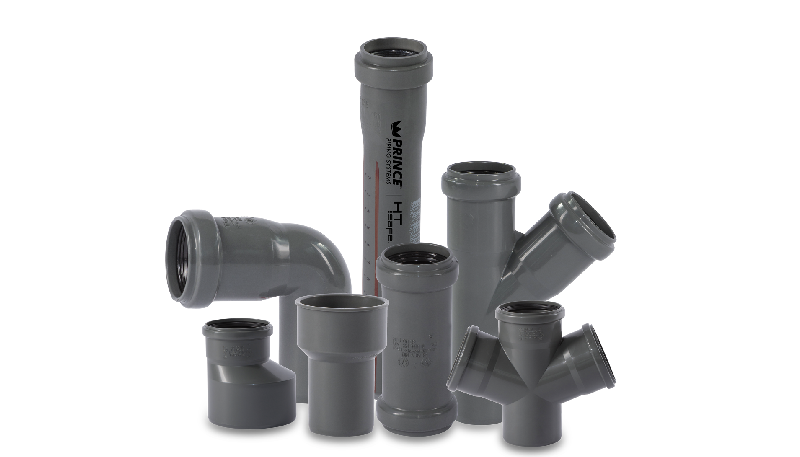
SWR pipesv (Soil, Waste and Rainwater pipes) are specially designed to carry soil waste, wastewater and rainwater efficiently from buildings to the drainage network. Manufactured using high-quality PVC, they are lightweight, corrosion-resistant and built to handle varying weather conditions. Prince Pipes offers a comprehensive range of PVC SWR pipes that are engineered for leak-proof performance and long service life. These pipes are available with different fittings and jointing systems to suit residential, commercial and industrial drainage requirements. Their smooth inner surface allows water to flow freely, reducing the chances of blockages and improving drainage efficiency, particularly during the monsoon.
Conventional drainage systems generally use materials such as cast iron, stoneware, concrete or metal pipes to transport wastewater and rainwater. Although these systems have been widely used for years, they often require more labour-intensive installation and regular maintenance. Older materials may corrode, crack or develop leaks over time, especially when exposed to constant moisture and changing weather conditions. Their heavier weight also makes transportation and installation more challenging. While conventional systems can still perform adequately in certain applications, they may not always meet the demands of modern buildings that require efficient, low-maintenance drainage solutions.
When comparing SWR pipes vs conventional drainage systems, a lot of factors influence overall performance, especially during the rainy season.
The most noticeable difference is the material. PVC SWR pipes are resistant to rust, corrosion and chemical exposure, unlike cast iron or metal pipes that can deteriorate over time. This increases the lifespan of the drainage system while reducing maintenance requirements.
Installation is another major advantage. Since SWR pipes are lightweight, they are easier to transport, handle and install. Conventional drainage materials often require specialised equipment and additional labour, increasing project costs and installation time.
Flow efficiency also differs vastly. The smooth internal surface of an SWR drainage system allows wastewater and rainwater to move freely. This minimises sediment build-up and reduces the likelihood of blockages. Older drainage materials usually have rougher interiors, which make them more susceptible to debris accumulation.
Maintenance is equally important. Conventional systems need frequent inspections for corrosion, cracks or joint failures. In comparison, SWR pipes are designed to be long-lasting, leak-resistant and perform with minimal upkeep.
From an expense point of view, while the initial investment may vary depending on the size of the project, the lower maintenance needs and longer service life of SWR systems usually make them a more economical solution over time.
Heavy rainfall places enormous pressure on drainage infrastructure. An efficient drainage system must quickly carry away rainwater to prevent water accumulation around buildings.
This is where drainage pipes for monsoon made from PVC have a significant advantage over conventional pipes. Prince Pipes’ SWR drainage system ensures smooth water flow. This helps reduce overflow and water stagnation during periods of intense rainfall.
Their leak-proof joints minimise seepage, protecting walls, foundations and surrounding structures from moisture damage. Since PVC does not corrode, prolonged exposure to rainwater does not weaken the pipes, ensuring consistent performance over many years.
The lightweight construction of the pipes allows for faster installation. This makes them suitable for both new construction projects and drainage upgrades. Combined with their durability and low maintenance, PVC SWR pipes give a dependable drainage performance throughout the monsoon season.
Conventional drainage systems are still used in older buildings and they often face limitations during periods of heavy rain.
Metal pipes may corrode due to continuous exposure to moisture, while concrete pipes can develop cracks over time. These issues increase the possibility of leakage, seepage and structural damage.
Older systems are also more prone to clogging because rough internal pipe surfaces allow debris, silt and waste to accumulate more easily. During intense rainfall, restricted flow can result in overflowing drains and waterlogging.
Maintenance can become expensive as damaged sections often require excavation and replacement. Heavier materials also make repair work more labour-intensive.
As climate patterns continue to bring unpredictable rainfall, many property owners are upgrading from conventional systems to modern SWR pipes for improved reliability and lower maintenance requirements.
Both drainage solutions have specific applications depending on the type of building, environmental conditions and project requirements. However, modern construction increasingly favours PVC SWR pipes because of their versatility and long-term performance.
Homes, apartments and housing complexes make use of SWR pipes for carrying wastewater, soil discharge and rooftop rainwater. Their leak-resistant joints and smooth flow result in lesser maintenance while protecting building foundations from water damage. Conventional systems may still exist in older properties but often require periodic repairs.
Shopping centres, office buildings, factories and warehouses need a trustworthy drainage to handle larger wastewater volumes. An SWR drainage system offers efficient flow, corrosion resistance and easy installation, making it suitable for modern commercial developments where long-term reliability is essential.
Regions that face frequent or intense rainfall need dependable drainage pipes for monsoon conditions. PVC SWR pipes efficiently channel rainwater away from buildings. This helps reduce waterlogging and minimises moisture-related structural issues. Their corrosion resistance ensures they give a consistent performance in spite of prolonged exposure to water.
SWR systems can be used for underground soil and waste drainage as well as in rainwater disposal applications. With correct fittings and proper installation, they give a reliable performance for concealed drainage networks while at the same time supporting efficient surface water management across residential and commercial projects.
Selecting a suitable drainage solution depends on the design of your property, local climate, expected water flow and long-term maintenance requirements. Consider these factors before installation as this helps ensure better drainage performance and reduced repair costs.
Different properties generate different drainage loads. Individual homes may need a simpler drainage layouts, while apartments, hospitals, hotels and commercial buildings often need larger, more complex systems. Choosing appropriately sized SWR pipes with compatible fittings makes sure there is efficient wastewater and rainwater management based on the property’s specific requirements.
The intensity of rainfall plays a crucial role in selecting the right drainage infrastructure. Areas that get heavy seasonal rainfall need systems that are capable of handling larger water volumes without any overflow. Installing drainage pipes for monsoon that provide smooth flow and leak-proof performance helps maintain efficient drainage even during prolonged periods of heavy rain.
The total expenditure for a drainage system goes beyond the purchase price. Installation complexity, maintenance frequency, repairs and expected lifespan all influence long-term value. Although PVC SWR pipes offer excellent durability and require minimal maintenance, conventional systems may involve higher repair and replacement costs over time due to corrosion, leakage or structural wear.
While comparing SWR pipes vs conventional drainage systems, modern PVC-based drainage solutions clearly have the advantage in terms of durability, corrosion resistance, installation efficiency and long-term maintenance. For buildings exposed to heavy monsoon rainfall, an efficient SWR drainage system helps maintain smooth water flow while protecting the structure from moisture damage. Prince Pipes’ range of PVC SWR pipes delivers a dependable drainage solution designed to meet the demands of today’s residential, commercial and industrial construction projects.
10 Effective Ways to Prevent Waterlogging Around Your Home
Read More
Common Monsoon Plumbing Problems and Solutions: A Complete Guide
Read More
Benefits of Rainwater Harvesting During the Monsoon: Why Every Home Should Harvest Rainwater
Read More
Understanding Rooftop Rainwater Collection Systems
Read More
Monsoon Drainage Guide for Homes: How to Prevent Waterlogging and Protect Your Property
Read More
Why Capillary Drainage Technology is the Future of Dewatering Solutions
Read More
How Rainfit Systems Ensure Effective Roof Water Collection and Drainage
Read More
Understanding Sewer Pipes: A Smart Guide for Property Owners
Read More
Ultrafit Traps: Common Types of SWR Traps and Their Functions
Read More
Surface vs Underground Drainage Pipes: Key Differences
Read More
Corrugated Drainage Pipes: Uses and Advantages
Read More
India Ki Pragati Ka Taj: How Prince Pipes is Powering India’s Growth at Plumbex India 2026
Read More
Low-Noise Drainage and Sewerage Pipes: What You Need to Know
Read More
Choosing the Right Drainage Pipe: Key Factors Explained
Read More
What is DECILO Low Noise PP Drainage? Durable & Efficient Drainage Solution
Read More
Everything You Should Know About Underground Drainage Pipes
Read More
Silent Drainage Pipe VS. Regular Drainage Pipe: Which One Should You Choose?
Read More
PTMT Taps vs Brass Taps: Which Is Better?
Read More
Prince Pipes Udaan 2.0: Revolutionising Plumber Loyalty Programs in India
Read More
What is an Antimicrobial Water Tank?
Read More
India Ki Pragati Ka Taj: Celebrating the People Powering India’s Progress
Read More
What is manhole cover and its importance
Read More
SDR 11 vs. SDR 13.5 – Comparison and Pipe Properties
Read More
Discover SmartFit Plus: Innovative CPVC Plumbing Systems for Indian Homes
Read More
Piping Standards and Codes in The Industry
Read More
How To Repair Plastic Water Storage Tank At Home.
Read More
Different Types of Plumbing Pipes and Their Uses
Read More
Tips for Maintaining Your Water Tank
Read More
Water Tank For The House: Buying Guide For Water Tank In India
Read More
Types of Industrial Pipes and Their Applications
Read More
Different Types of Layered Water Tanks
Read More
How to Choose the Right Plumbing Pipe for Your Home?
Read More
PVC Vs CPVC Pipes
Read More
Difference Between PPR and HDPE Pipes
Read More
CPVC vs. HDPE Pipes: Know the Differences
Read More
What are HDPE Pipes?
Read More
UPVC vs HDPE Pipes: What are the Differences?
Read More
CPVC vs UPVC Pipes: Know The Difference
Read More
What are PVC Pipes and Their Importance?
Read More
How to Choose CPVC Pipes for Home
Read More
How To Maintain The Sewerage Drainage Pipes From Prince Pipes?
Read More
Why Choose uPVC Pipes Over Metal Pipes?
Read More
Benefits of Using UPVC Pipes for Borewell
Read More
What is a Borewell Casing?
Read More
Benefits of PVC Drain Pipes
Read More
What are Cable Protection Pipes?
Read More
Why Should Farmers Use Agriculture PVC Pipes?
Read More
Best Pipe for Water Supply in Homes
Read More
A Guide to Kitchen and Bathroom Plumbing Renovations
Read More
PVC Vs. HDPE Pipe: Know the Difference
Read More
Types of Plastic Pipes: What You Need to Know
Read More
RV Plumbing Vs. Home Plumbing: Everything You Need to Know
Read More
Exploring the Advantages of UPVC Pipes for Potable Water
Read More
How to Choose the Right Drainage Pipe for Your Home
Read More
Types of PVC Pipe Fittings
Read More
Types of Water Storage Tanks and What You Need to Know
Read More
What are PPR Pipes? Meaning, Uses and Advantages
Read More
A Guide to Solving Common Plumbing Issues
Read More Next Blog
  Previous Blog
The first showers of the monsoon are always a welcome change. They coo ...
Read More
The monsoon brings welcome relief from the summer heat, but it also pu ...
Read More
Every monsoon brings millions of litres of rainwater, yet much of it g ...
Read More
Water shortages are becoming a reality in many parts of India, making ...
Read More
The arrival of the monsoon is a welcome break from soaring temperature ...
Read More
Construction sites today deal with far more challenging ground conditi ...
Read More
Heavy rainfall is a regular part of life in many parts of India, espec ...
Read More
A well-planned drainage system often goes unnoticed until something go ...
Read More
A well-designed drainage system does more than just carry wastewater a ...
Read More
Drainage is one of those things you rarely think about, until it stops ...
Read More
Drainage systems rarely get attention, until they stop working the way ...
Read More
India today doesn’t just grow it accelerates. Look around, and you ...
Read More
In modern buildings, comfort goes beyond aesthetics, it extends to wha ...
Read More
People don’t pay attention to drainage pipes, until something goes w ...
Read More
Modern high-rise buildings require drainage systems that are not only ...
Read More
Most people rarely think about drainage systems until there is a block ...
Read More
Drainage systems don't get attention until they start making noise. In ...
Read More
Choosing the right tap plays a surprisingly important role in everyday ...
Read More
Every strong building rests on skilled hands that bring plans to life. ...
Read More
Water storage is one of those things most of us rarely think about, un ...
Read More
The progress of India as a nation does not happen overnight but it hap ...
Read More
In today’s rapidly urbanising world, the infrastructure that lies be ...
Read More
It is important to select the right piping system for any plumbing ins ...
Read More
The backbone of any plumbing, industrial, or infrastructure project is ...
Read More
A water tank leak is one of those problems that often creeps up quietl ...
Read More
When planning a plumbing system, choosing the right type of pipe is cr ...
Read More
A water tank is more than a container; it underpins the daily rhythm o ...
Read More
While building or upgrading a home an essential utility too keep in mi ...
Read More
Industrial pipes may not grab headlines but are at the very heart of m ...
Read More
A water tank is not solely a water tank; it holds your daily source of ...
Read More
Pipes are rarely visible, yet they quietly keep your household running ...
Read More
Two commonly used pipes in the construction and plumbing industries ar ...
Read More
Selecting the right piping material is crucial for construction projec ...
Read More
Choosing the right pipe material is essential for the durability and s ...
Read More
High-Density Polyethylene (HDPE) pipes have revolutionised the piping ...
Read More
When choosing pipes for various applications, UPVC and HDPE pipes are ...
Read More
Choosing the right pipe for your home is essential for durability, saf ...
Read More
Polyvinyl chloride (PVC) pipes are widely used in plumbing, water dist ...
Read More
Choosing the right plumbing materials is key to ensuring a reliable wa ...
Read More
Sewerage drainage pipes maintenance is important for a smooth plumbing ...
Read More
Choosing the right pipe is essential in construction and plumbing. Unp ...
Read More
Borewells are an essential part of water supply in a country like Indi ...
Read More
In India, borewells play an important role in water extraction, especi ...
Read More
India’s construction and plumbing industry is increasingly adopting ...
Read More
Cable protection pipes protect electrical and communication cables fro ...
Read More
Agriculture is vital to India’s economy. Farmers rely on irrigation, ...
Read More
Choosing the right pipe for your home’s water supply system is more ...
Read More
A well-functioning plumbing system ensures smooth operation in your ki ...
Read More
Choosing the right piping materials is important to prevent costly rep ...
Read More
When it comes to setting up or upgrading your plumbing system, choosin ...
Read More
Plumbing is vital in both homes and Recreational Vehicles (RVs), thoug ...
Read More
In both residential and commercial spaces, the demand for reliable and ...
Read More
Selecting the right drainage pipe is crucial for efficient water manag ...
Read More
Water tanks are essential for maintaining a consistent and reliable wa ...
Read More
Selecting the right piping material ensures the efficiency and longevi ...
Read More