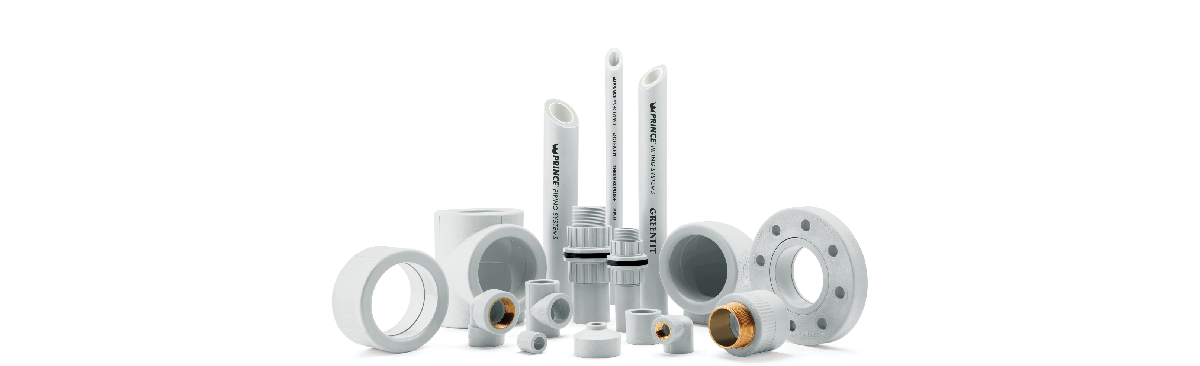
Pipes are rarely visible, yet they quietly keep your household running. They deliver clean water, drain waste and ensure life carries on without any disruption. The problem begins when the wrong material is picked. A pipe that isn’t suited to the job can result in leaky joints behind walls, poor water quality or even burst lines. Fixing those issues later is not only messy but can also be expensive. That’s why learning how to choose the right plumbing pipes for home is far more crucial than most people realise. This guide explores the most common types of plumbing pipes, what factors matter while selecting them and some practical tips to choose plumbing pipes for home so that you make the right decision the first time.
Every material has its strengths and limitations. Here’s a closer look at the pipes most homeowners depend on:
CPVC pipes are built to handle hot water. They can withstand temperatures of up to 93°C and are resistant to scaling and corrosion. Unlike older iron pipes, CPVC does not rust, which helps maintain clean and safe water. Hence, many households prefer CPVC when they don’t want to worry about rust or scaling. They work best in areas where hot water systems are essential, like the bathroom or kitchen.
uPVC is a safe choice for potable water since it is both lead-free and non-toxic. Lightweight but strong, these pipes are easy to transport and install. They are best suited for drinking water pipelines and underground supply networks. Homeowners often choose uPVC for its safety and durability. Its smooth internal surface means less friction in water flow. However, it cannot be used for hot water, as high temperatures may soften the pipe.
PEX is well known for its flexible nature. Unlike rigid pipes, PEX can bend corners, which means fewer joints or fittings are required. This makes it a favourite in modern homes where saving space is important. They can be used for both hot and cold-water distribution. The flexibility of PEX reduces installation time. However, it must be handled carefully, as it should not come into contact with solvents or strong chemicals.
PVC is a name most people are familiar with. It has been widely used for decades because it is cost-effective, lightweight and resistant to corrosion. Additionally, they are easy to cut and join and require little maintenance. It is frequently used in borewells, irrigation systems and even municipal water supply lines. However, PVC is not meant to carry hot water; heat can weaken it.
HDPE pipes are known for toughness. High pressure, heavy soil movement and chemicals are all factors that HDPE can withstand. HDPE is typically used in buried pipe applications, irrigation and transport of water for industrial applications. Their flexibility allows installation to be faster; it can last many years with little maintenance. HDPE is often chosen for demanding conditions or locations, like farms or shifting soil areas.
PPR pipes are a modern option, valued for their ability to handle temperatures as high as 95°C. They are best for hot water supply and heating systems. Additionally, they are lightweight, resistant to scaling, and easy to assemble. In many cases, PPR pipes are considered a long-term investment.
Made from uPVC, borewell pipes are designed specifically to withstand the high pressure of deep drilling. They are used for water extraction in both rural and urban homes. They are useful as a borewell system cannot operate without durable, pressure-resistant borewell pipes.
As the name suggests, SWR pipes are meant for drainage. They are built to resist bacterial growth and chemical reactions. They are widely used for wastewater and rainwater disposal systems. Currently, low-noise SWR pipes, especially in high-rise apartments, are in demand.
If you’re wondering how to choose the right plumbing pipes for house, keep the following points in mind:
Pipes for hot water differ from those for drinking supply or drainage. For instance, CPVC or PPR can handle high temperatures, uPVC is safer for potable water, and SWR is standard for drainage.
Choosing a pipe with a longer service life means fewer breakdowns and lower costs in the long run. For example, metal pipes may corrode, plastic pipes like uPVC or HDPE generally last longer.
This is critical in regions with hard water, where rust-prone materials quickly fail.
Lightweight pipes such as PVC or PEX reduce labour effort and time. For homeowners, this often translates into lower installation costs.
Pipes like PVC and HDPE can be recycled. In cities that promote green construction practices, this could be a consideration.
Cheaper doesn’t always mean smarter. A cheaper pipe might save you money today but cause a leak or damage later. Sometimes spending a little bit more saves you a bigger repair bill later.
The type of soil, quality of water, and climate will have some impact on the pipe you choose. For instance, HDPE is considered the best option if you live in an area prone to soil movement, whereas PPR would be more effective if you have high hot water demand.
Choosing the right pipe can feel overwhelming, but certain tips for choosing plumbing pipes for the home can make things simpler:
Pipes are rarely seen, but their importance in keeping a home functional cannot be overstated. From CPVC and PEX to HDPE and SWR, each type has its place and purpose. Understanding how to choose the right plumbing pipes for home makes the difference between a system that quietly serves for years and one that causes repeated repairs.
A thoughtful decision today leads to saving time and money. Prince Pipes offers a wide range of durable, eco-friendly options. Our products are designed to give you confidence in building safe and long-lasting plumbing systems.
10 Effective Ways to Prevent Waterlogging Around Your Home
Read More
Common Monsoon Plumbing Problems and Solutions: A Complete Guide
Read More
Benefits of Rainwater Harvesting During the Monsoon: Why Every Home Should Harvest Rainwater
Read More
SWR Pipes vs Conventional Drainage Systems for the Monsoon: Which Is Better?
Read More
Understanding Rooftop Rainwater Collection Systems
Read More
Monsoon Drainage Guide for Homes: How to Prevent Waterlogging and Protect Your Property
Read More
Why Capillary Drainage Technology is the Future of Dewatering Solutions
Read More
How Rainfit Systems Ensure Effective Roof Water Collection and Drainage
Read More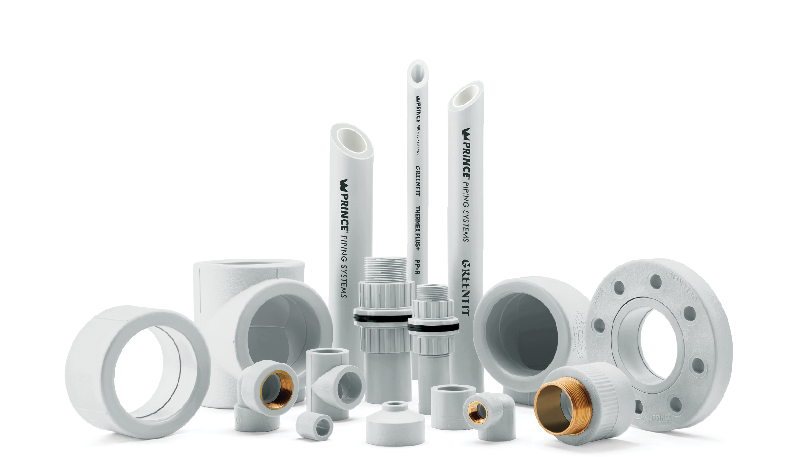
Understanding Sewer Pipes: A Smart Guide for Property Owners
Read More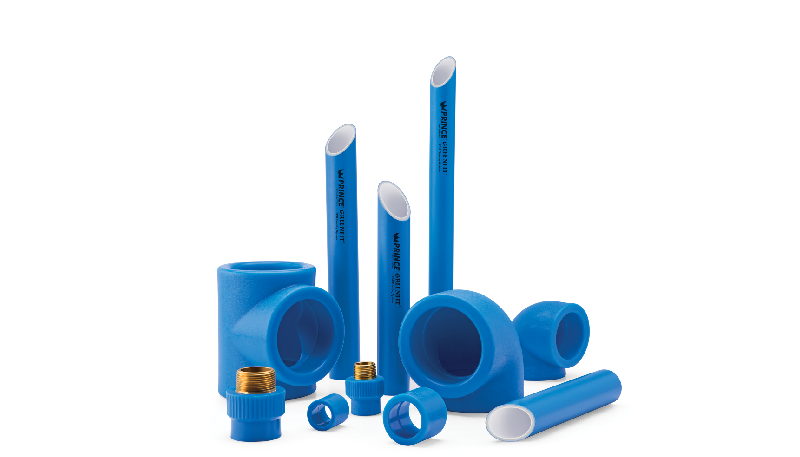
Ultrafit Traps: Common Types of SWR Traps and Their Functions
Read More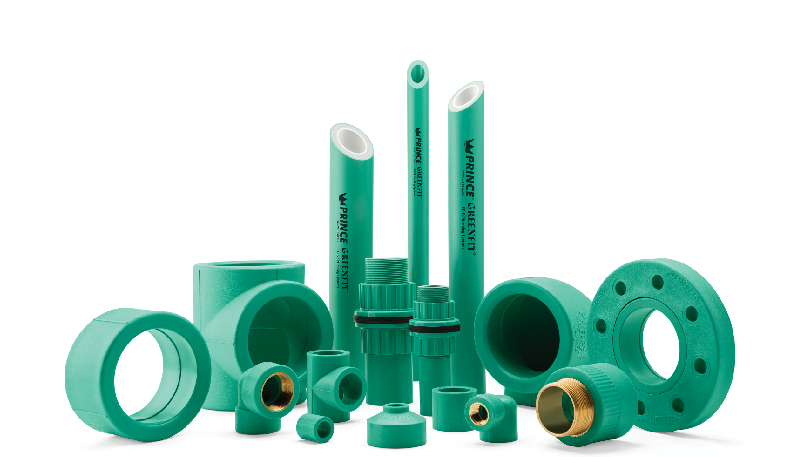
Surface vs Underground Drainage Pipes: Key Differences
Read More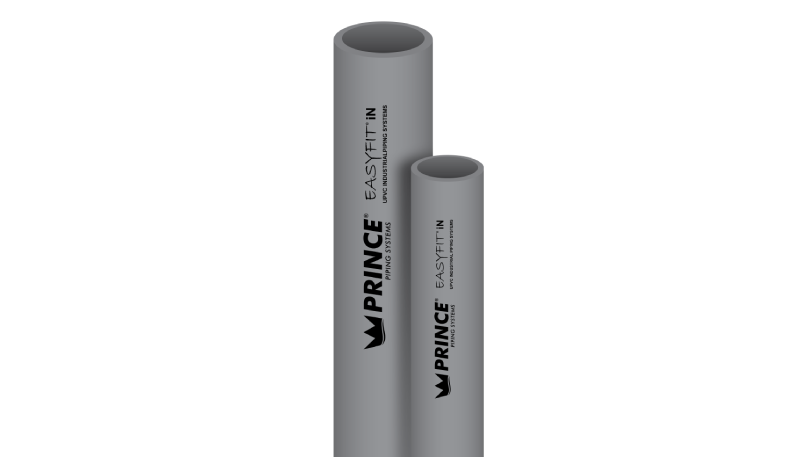
Corrugated Drainage Pipes: Uses and Advantages
Read More
India Ki Pragati Ka Taj: How Prince Pipes is Powering India’s Growth at Plumbex India 2026
Read More
Low-Noise Drainage and Sewerage Pipes: What You Need to Know
Read More
Choosing the Right Drainage Pipe: Key Factors Explained
Read More
What is DECILO Low Noise PP Drainage? Durable & Efficient Drainage Solution
Read More
Everything You Should Know About Underground Drainage Pipes
Read More
Silent Drainage Pipe VS. Regular Drainage Pipe: Which One Should You Choose?
Read More
PTMT Taps vs Brass Taps: Which Is Better?
Read More
Prince Pipes Udaan 2.0: Revolutionising Plumber Loyalty Programs in India
Read More
What is an Antimicrobial Water Tank?
Read More
India Ki Pragati Ka Taj: Celebrating the People Powering India’s Progress
Read More
What is manhole cover and its importance
Read More
SDR 11 vs. SDR 13.5 – Comparison and Pipe Properties
Read More
Discover SmartFit Plus: Innovative CPVC Plumbing Systems for Indian Homes
Read More
Piping Standards and Codes in The Industry
Read More
How To Repair Plastic Water Storage Tank At Home.
Read More
Different Types of Plumbing Pipes and Their Uses
Read More
Tips for Maintaining Your Water Tank
Read More
Water Tank For The House: Buying Guide For Water Tank In India
Read More
Types of Industrial Pipes and Their Applications
Read More
Different Types of Layered Water Tanks
Read More
PVC Vs CPVC Pipes
Read More
Difference Between PPR and HDPE Pipes
Read More
CPVC vs. HDPE Pipes: Know the Differences
Read More
What are HDPE Pipes?
Read More
UPVC vs HDPE Pipes: What are the Differences?
Read More
CPVC vs UPVC Pipes: Know The Difference
Read More
What are PVC Pipes and Their Importance?
Read More
How to Choose CPVC Pipes for Home
Read More
How To Maintain The Sewerage Drainage Pipes From Prince Pipes?
Read More
Why Choose uPVC Pipes Over Metal Pipes?
Read More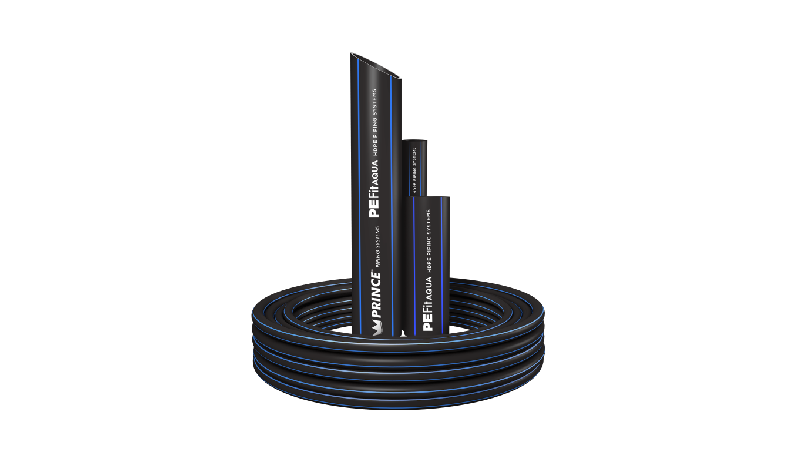
Benefits of Using UPVC Pipes for Borewell
Read More
What is a Borewell Casing?
Read More
Benefits of PVC Drain Pipes
Read More
What are Cable Protection Pipes?
Read More
Why Should Farmers Use Agriculture PVC Pipes?
Read More
Best Pipe for Water Supply in Homes
Read More
A Guide to Kitchen and Bathroom Plumbing Renovations
Read More
PVC Vs. HDPE Pipe: Know the Difference
Read More
Types of Plastic Pipes: What You Need to Know
Read More
RV Plumbing Vs. Home Plumbing: Everything You Need to Know
Read More
Exploring the Advantages of UPVC Pipes for Potable Water
Read More
How to Choose the Right Drainage Pipe for Your Home
Read More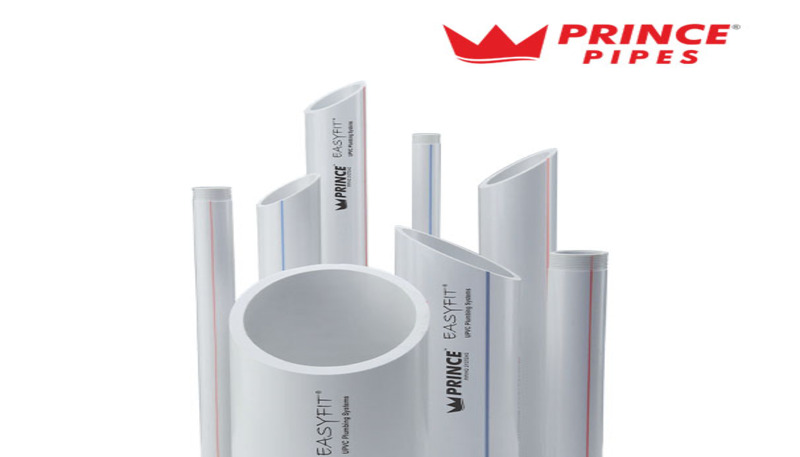
Types of PVC Pipe Fittings
Read More
Types of Water Storage Tanks and What You Need to Know
Read More
What are PPR Pipes? Meaning, Uses and Advantages
Read More
A Guide to Solving Common Plumbing Issues
Read More Next Blog
  Previous Blog
The first showers of the monsoon are always a welcome change. They coo ...
Read More
The monsoon brings welcome relief from the summer heat, but it also pu ...
Read More
Every monsoon brings millions of litres of rainwater, yet much of it g ...
Read More
When the monsoon arrives, a reliable drainage network becomes essentia ...
Read More
Water shortages are becoming a reality in many parts of India, making ...
Read More
The arrival of the monsoon is a welcome break from soaring temperature ...
Read More
Construction sites today deal with far more challenging ground conditi ...
Read More
Heavy rainfall is a regular part of life in many parts of India, espec ...
Read More
A well-planned drainage system often goes unnoticed until something go ...
Read More
A well-designed drainage system does more than just carry wastewater a ...
Read More
Drainage is one of those things you rarely think about, until it stops ...
Read More
Drainage systems rarely get attention, until they stop working the way ...
Read More
India today doesn’t just grow it accelerates. Look around, and you ...
Read More
In modern buildings, comfort goes beyond aesthetics, it extends to wha ...
Read More
People don’t pay attention to drainage pipes, until something goes w ...
Read More
Modern high-rise buildings require drainage systems that are not only ...
Read More
Most people rarely think about drainage systems until there is a block ...
Read More
Drainage systems don't get attention until they start making noise. In ...
Read More
Choosing the right tap plays a surprisingly important role in everyday ...
Read More
Every strong building rests on skilled hands that bring plans to life. ...
Read More
Water storage is one of those things most of us rarely think about, un ...
Read More
The progress of India as a nation does not happen overnight but it hap ...
Read More
In today’s rapidly urbanising world, the infrastructure that lies be ...
Read More
It is important to select the right piping system for any plumbing ins ...
Read More
The backbone of any plumbing, industrial, or infrastructure project is ...
Read More
A water tank leak is one of those problems that often creeps up quietl ...
Read More
When planning a plumbing system, choosing the right type of pipe is cr ...
Read More
A water tank is more than a container; it underpins the daily rhythm o ...
Read More
While building or upgrading a home an essential utility too keep in mi ...
Read More
Industrial pipes may not grab headlines but are at the very heart of m ...
Read More
A water tank is not solely a water tank; it holds your daily source of ...
Read More
Two commonly used pipes in the construction and plumbing industries ar ...
Read More
Selecting the right piping material is crucial for construction projec ...
Read More
Choosing the right pipe material is essential for the durability and s ...
Read More
High-Density Polyethylene (HDPE) pipes have revolutionised the piping ...
Read More
When choosing pipes for various applications, UPVC and HDPE pipes are ...
Read More
Choosing the right pipe for your home is essential for durability, saf ...
Read More
Polyvinyl chloride (PVC) pipes are widely used in plumbing, water dist ...
Read More
Choosing the right plumbing materials is key to ensuring a reliable wa ...
Read More
Sewerage drainage pipes maintenance is important for a smooth plumbing ...
Read More
Choosing the right pipe is essential in construction and plumbing. Unp ...
Read More
Borewells are an essential part of water supply in a country like Indi ...
Read More
In India, borewells play an important role in water extraction, especi ...
Read More
India’s construction and plumbing industry is increasingly adopting ...
Read More
Cable protection pipes protect electrical and communication cables fro ...
Read More
Agriculture is vital to India’s economy. Farmers rely on irrigation, ...
Read More
Choosing the right pipe for your home’s water supply system is more ...
Read More
A well-functioning plumbing system ensures smooth operation in your ki ...
Read More
Choosing the right piping materials is important to prevent costly rep ...
Read More
When it comes to setting up or upgrading your plumbing system, choosin ...
Read More
Plumbing is vital in both homes and Recreational Vehicles (RVs), thoug ...
Read More
In both residential and commercial spaces, the demand for reliable and ...
Read More
Selecting the right drainage pipe is crucial for efficient water manag ...
Read More
Water tanks are essential for maintaining a consistent and reliable wa ...
Read More
Selecting the right piping material ensures the efficiency and longevi ...
Read More